An appeal of proximity from our President, which leads us to reflect on the hope for Syria in this new dramatic geopolitical scenario.
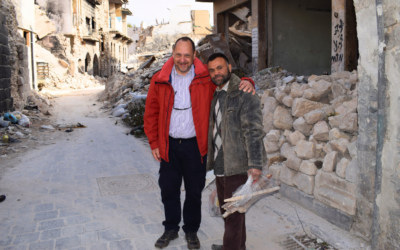
Proximity as a multiplier of hope
read more
An appeal of proximity from our President, which leads us to reflect on the hope for Syria in this new dramatic geopolitical scenario.
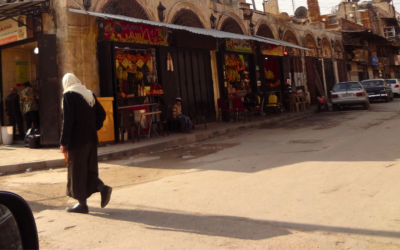
In an exclusive interview, Robert Chelhod talks about the dramatic situation in Aleppo. Despite the war, AMU continues to support the Syrian population, remodeling its projects to deal with the emergency and guarantee essential aid.
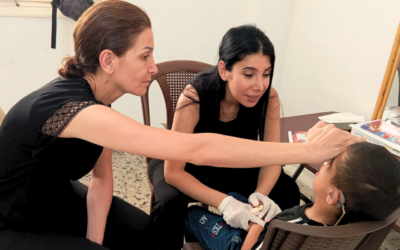
In war-torn Syria, a 4-year-old boy begins a journey of hope thanks to the intervention of Seeds of Hope, which allowed him to discover and treat a previously ignored hearing problem.
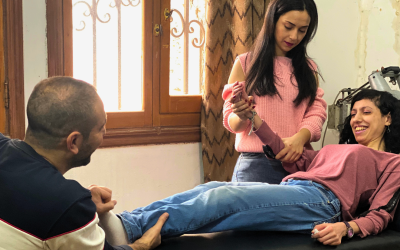
At 34, Madonna has regained her independence and self-confidence thanks to the Seeds of Hope project.
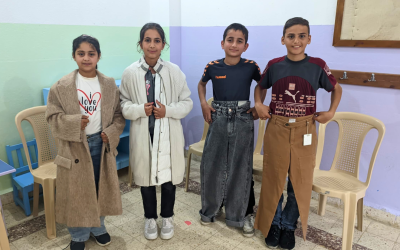
Italian fashion company Brunello Cucinelli sent clothes and shoes to the Piccoli Sogni after-school program in Syria.
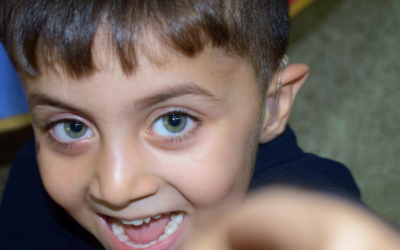
Testimony of the mother of Abdul, a hearing-impaired child who learned to communicate by attending the EHIS center in Aleppo.
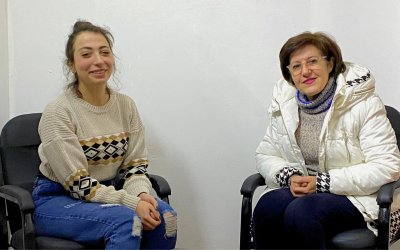
Maha has taken an important step that now allows her to be satisfied, fulfilled and truly ready to lend a hand to the community.
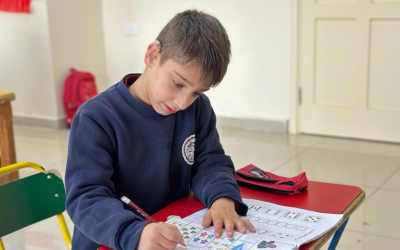
“It is our duty to give everyone the time they need to learn.”
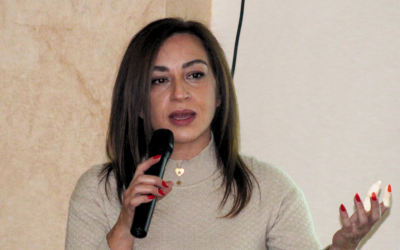
Interview with the young woman who runs the Seeds of Hope office in Syria.
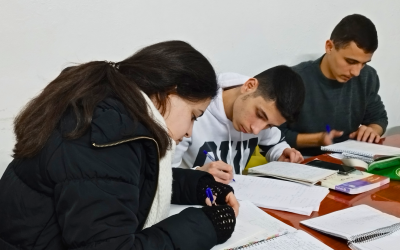
Restarting after a failure at just 18 years old with the support of AMU.
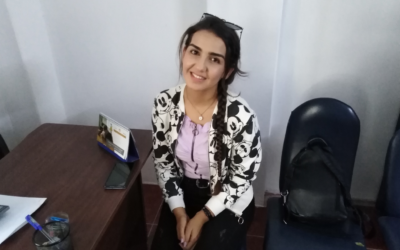
The economic conditions in Syria do not allow a large part of the population access to treatments that are sometimes essential for recovery. If Tammam can now plan her future as a girl, it is also thanks to the support of Seeds of Hope.
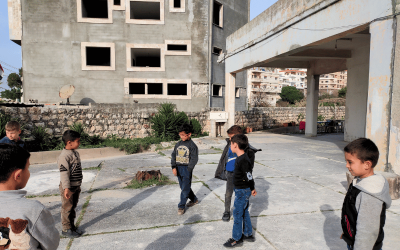
It is at the Piccoli Sogni center in Baniyas – supported by the project Semi di Speranza – that the very young Syrian boys encounter opportunities that they would not otherwise have. This is the story of one of them: Yazan Al-Helou