Drinking water has always been lacking here, “since the world existed” repeat the inhabitants of the hills of the province of Cibitoke, in Burundi. There are six hills involved in the project Water source of life and development whose daily life will soon be completely overturned by this “revolution” that is the arrival of drinking water . 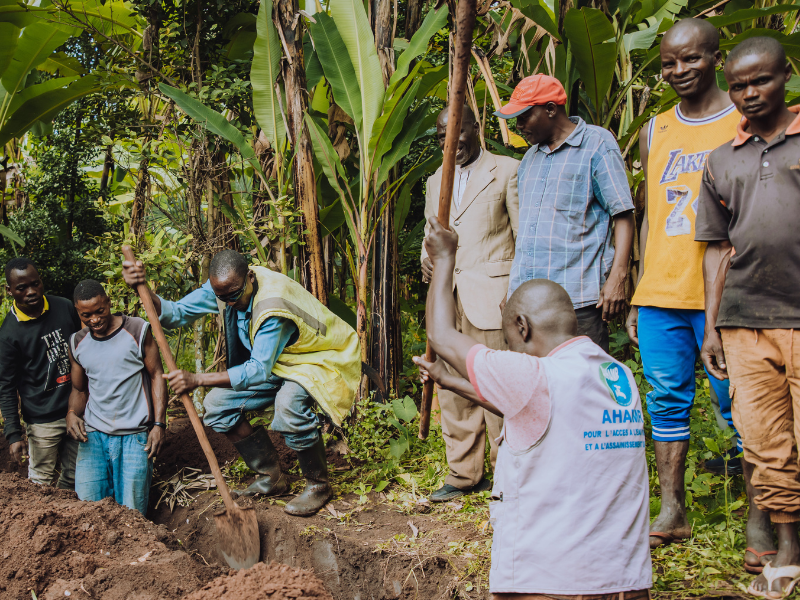
They are waiting for it, they have great hopes for it.
They are living this beginning of change with awareness and responsibility, because when the Rubirizi-Rukana aqueduct is finished, and when drinkable water flows from the public fountains, they know well that it will then be up to them to take care of it and ensure that this wealth does not suffer damage and is preserved for the good of all.
The aqueduct is a community heritage
The governor of Cibitoke province, Carême Bizoza , said this loudly on the day of the inauguration of the excavation works: 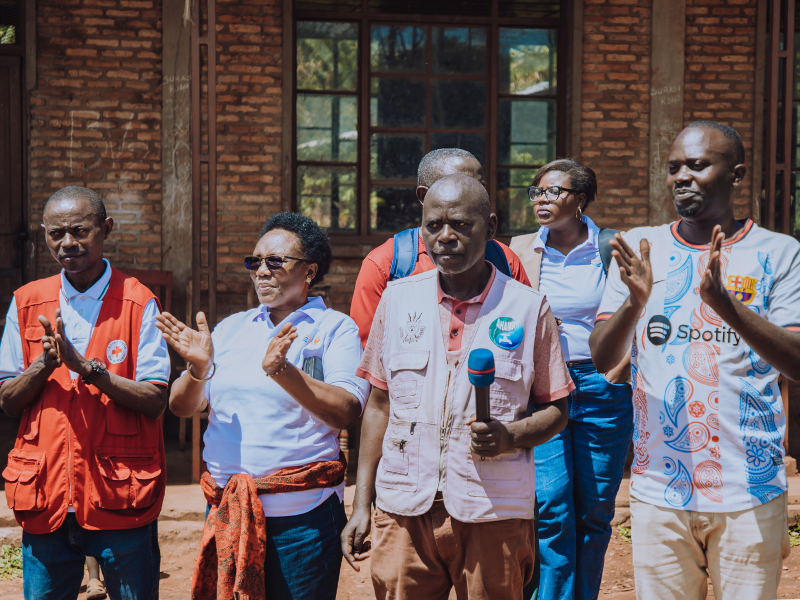 “When clean water finally arrives, it will be essential to take care of it.
If we don’t protect the infrastructure, access to water will only last a month before it gets damaged. This is a precious asset that we must protect.
Only if we consider infrastructure as a common heritage will we be able to avoid its rapid deterioration and not regret the efforts made.
Therefore, we must not give up, but continue to work with commitment, aware that the project is ours and taking on the necessary responsibilities to soon guarantee access to water in these municipalities”.
The change will be concrete, it will affect the homes, habits, and health of over 3,500 families. The food that will be prepared will be healthier; clothes, plates, and hands will be washed with clean water so as to limit the spread of some diseases. This point in particular, the health one, is one of the aspects of the AMU project that will also see a further step, when the water network will be finished and community health mutuals will be established.
“Either I wash the dishes or I wash the clothes…”
Now, in the meantime, the project for the construction of the water network that will run from Rubirizi to Rukana (more than twenty-one kilometers) is welcomed “with enthusiasm”.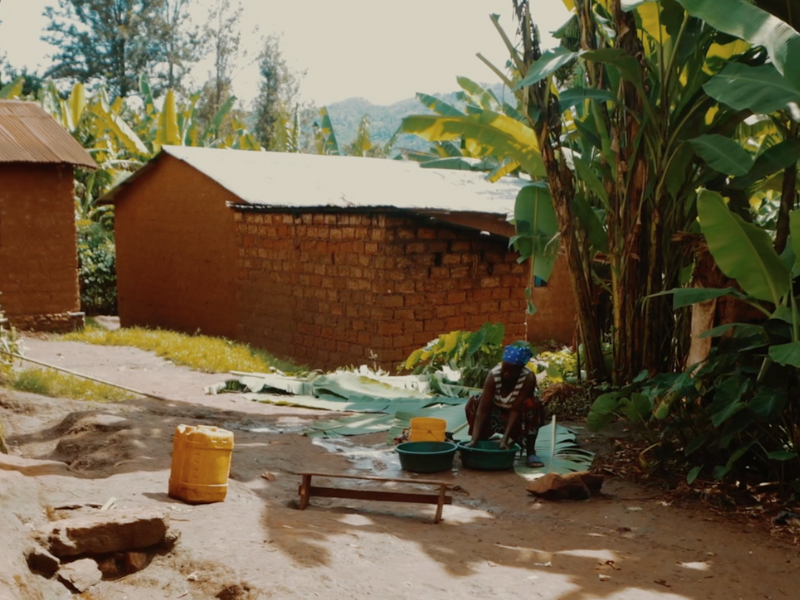 immense joy, because for us it represents a great advantage” , says Justine , who lives on the Gicaca hill.
Cathérine , whose house is located on the Rubirizi hill, perceives the imminent arrival of drinking water as the end of a life made up of selected actions, of forced choices in the management of the house and of one’s person: “Either I wash the dishes, or I wash the clothes, or I wash myself: it’s all complicated, like that. I’d like to grow a vegetable garden, but so far I haven’t been able to do so”.
Fabien Mbonimpa , head of the Mugina municipality body responsible for water management, reiterates the commitment of the territorial institution: “We will collaborate with the team in charge of building the infrastructure. We will do everything possible: for example, we will mark the areas subject to flooding during the rains, so that metal pipes are installed in these areas to ensure the durability and reliability of the infrastructure”.