Marta, Marco and the prison
In the city of Florida, Uruguay, Marta, a 34-year-old woman, faces the challenge of rebuilding her life after committing a mistake that landed her in prison. Deprived of her liberty for a year and two months, she awaits her release with a firm determination to change her own destiny and that of her daughters: “Before entering the penitentiary center, I tried to find work in the formal market, but I was rejected several times…” During her imprisonment, she has seized every educational opportunity: she is in her second year of secondary school and has taken courses in gardening and electricity.
Marco, a 24-year-old from the city of Durazno, faces the same challenge. He was sent to prison and received a six-year sentence. Before his imprisonment, he worked in construction with his uncle, albeit informally. His studies were interrupted at primary school, and although he attempted to attend secondary school, he dropped out to pursue work. When he regains his freedom, he hopes to rebuild his relationship with his wife and son.
An opportunity for social and work reintegration
These are the stories of young people who, due to social difficulties and a lack of opportunities, fall into the trap of committing desperate acts that lead them to break the rules and the social order.
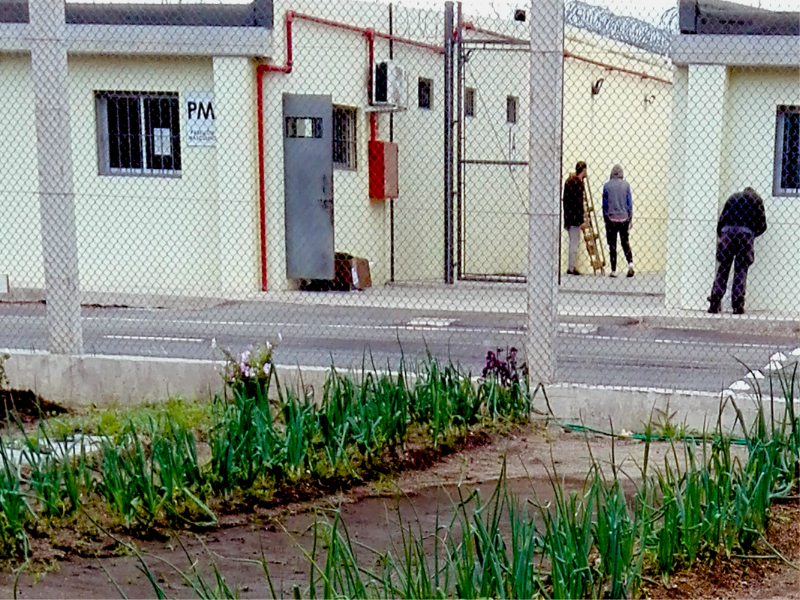 Uruguay has one of the highest incarceration rates in the region and a worrying 55% recidivism rate . Faced with this reality, the Ripartire – Social Reintegration project was born, with the aim of offering those deprived of their liberty a real opportunity for social and occupational reintegration, breaking the cycle of poverty, violence, and exclusion that many of them experience before and during detention.
The project includes vocational training, psychological support, family counseling, and job search assistance. It also aims to re-establish participants’ family and social relationships, promoting their successful reintegration.
The goal is not only for ex-offenders to re-enter the workforce, but also for them to recover their identity and emotional well-being, which are essential for preventing recidivism and social exclusion.
Professional training and self-awareness
Launched in March of this year in Uruguay, the project, with a planned duration of two years, aims to have a profound and transformative impact on the lives of participants. Through training in trades such as carpentry, hairdressing, and basic computer skills, former prisoners will be able to acquire skills that will allow them to access dignified employment .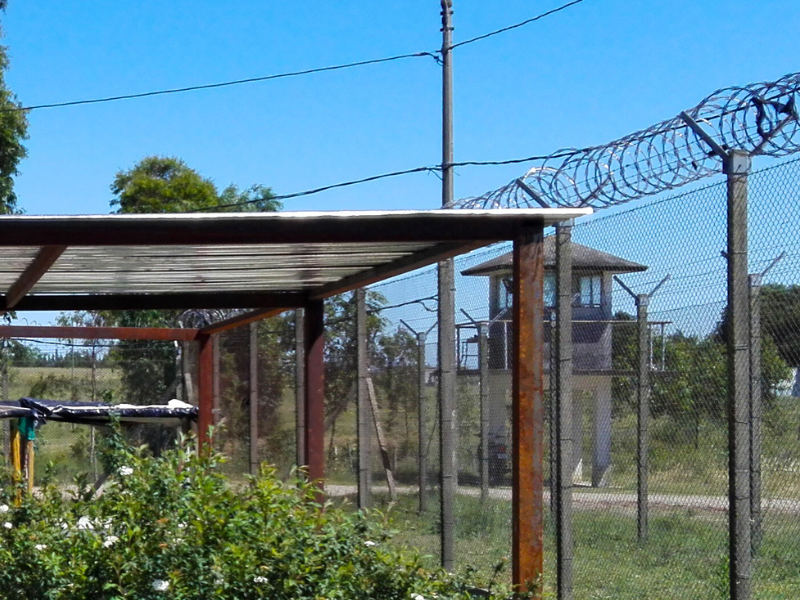 Furthermore, the project promotes self-awareness, positive emotion management, and nonviolent conflict resolution, aspects that will help improve their family and social relationships.
With the support of social workers, participants will be supported in re-establishing family ties, where possible, learning about their rights and responsibilities in the world of work, and improving their future prospects.
Through a comprehensive and humane approach, Ripartire – Social Reintegration becomes an opportunity to rebuild lives and contribute to the creation of a more just and equitable society, where dreams can come true.
A new future for Marco and Marta
For Marco, returning to freedom means above all rediscovering the love of his family: “When I think about my release, my greatest desire is to rebuild my relationship with my family.” Marta, however, looks ahead with determination: “I want to find a job, rent a house, and live peacefully with my daughters”.