In a few days, it will be back-to-school time in Italy, and many students are starting to prepare: backpacks, pencils, pens, books. But for many children and young people living in the most vulnerable communities, the start of the new school year isn’t always a given. More often, it’s a daily achievement closely tied to the availability of basic resources, first and foremost drinking water .
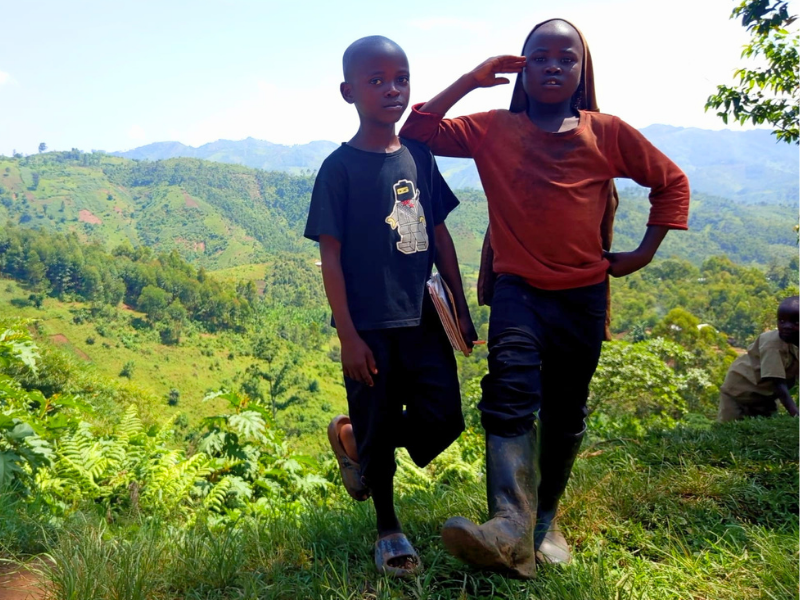 In rural Burundi, particularly in the municipalities of Cibitoke province, the lack of safe and continuous access to clean water represents one of the greatest challenges for families.
If we look closely at the stories of the Water: Source of Life and Development project that we have often told you, it clearly emerges that water is not just a health or hygiene issue, but the fundamental condition for guaranteeing the right to education .
The invisible burden of water shortages on school return
In AMU’s areas of intervention, children are often the first to suffer the consequences of extreme poverty. When drinking water is lacking in villages, their return to school and the continuity of their education are inevitably compromised. This is for two main reasons: water collection often falls to the youngest children. Walking for hours every day carrying heavy loads means arriving at class too tired to concentrate or, worse, having to miss school. Furthermore, the use of contaminated water causes frequent gastrointestinal infections that lead to prolonged absences, hindering learning and increasing the dropout rate.
The concrete impact of AMU on schools in Cibitoke province
With the project, implemented together with local partner CASOBU, AMU is building over 20 kilometers of water network along the Rubirizi-Rukana axis, providing drinking water and sanitation where previously there was only an emergency. This intervention will truly revolutionize the community’s school life. When the entire project is completed, over 1,500 children and youth will finally be able to return to school healthy and ensure consistent attendance. 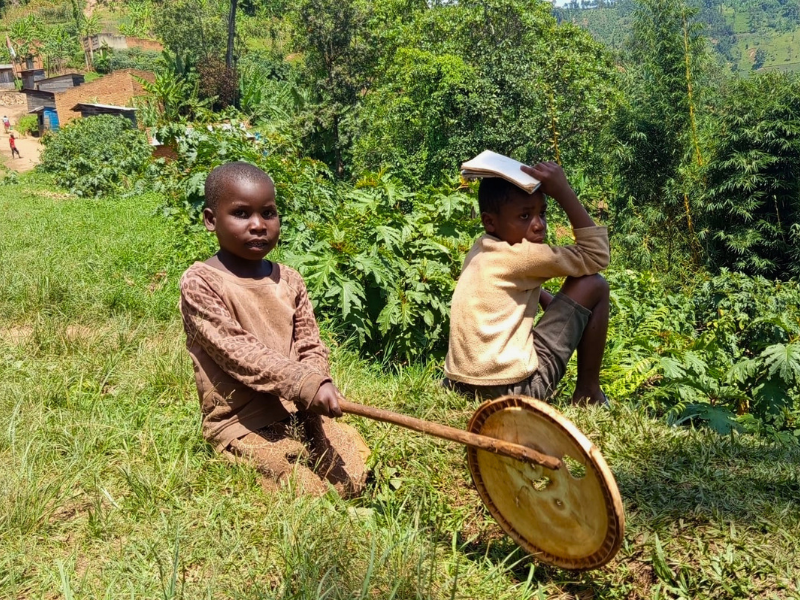
By eliminating long journeys to collect water, we give young people the energy they need to learn and build their lives in school.
The project also includes the construction of direct water systems in school buildings—such as the Rubirizi secondary school , equipped with a six-tap water point—and adequate latrines to provide healthy and dignified environments. Much of this work has already been completed ( see here ).
Supporting the right to education for lasting change
During this back-to-school season, we want to remember that protecting minors means offering concrete responses to the fragilities of their communities. In Cibitoke, providing clean water to schools doesn’t just mean preventing disease; it also paves the way to the classroom, eliminating inequalities, and guiding every child toward a future of independence and social development .